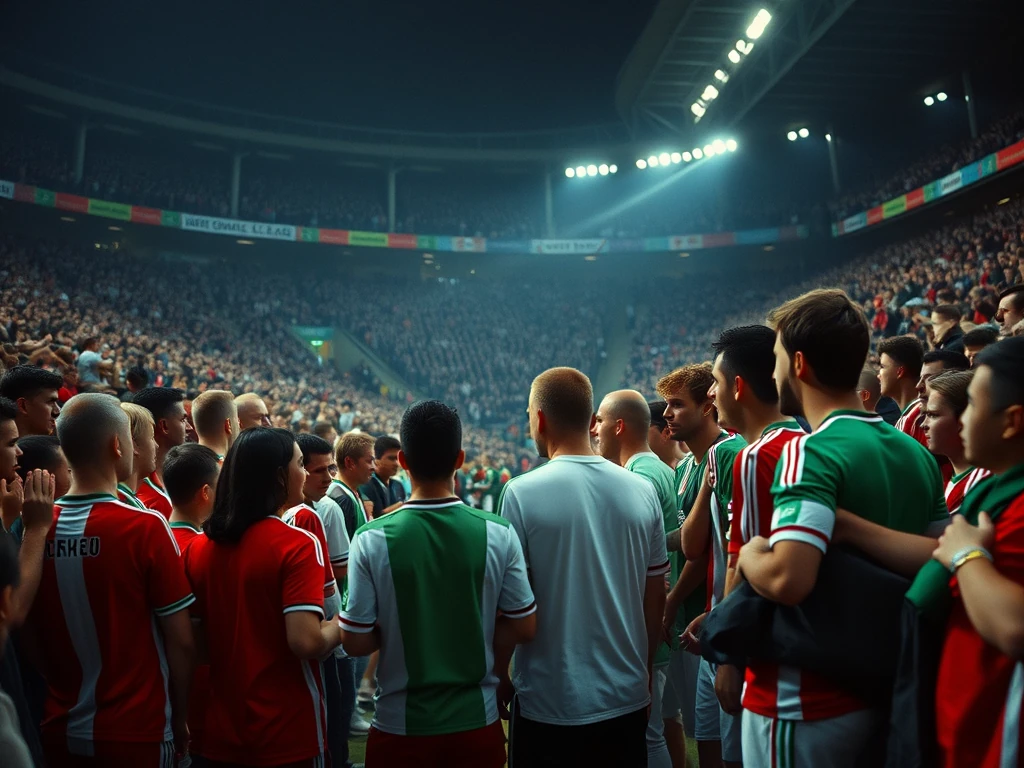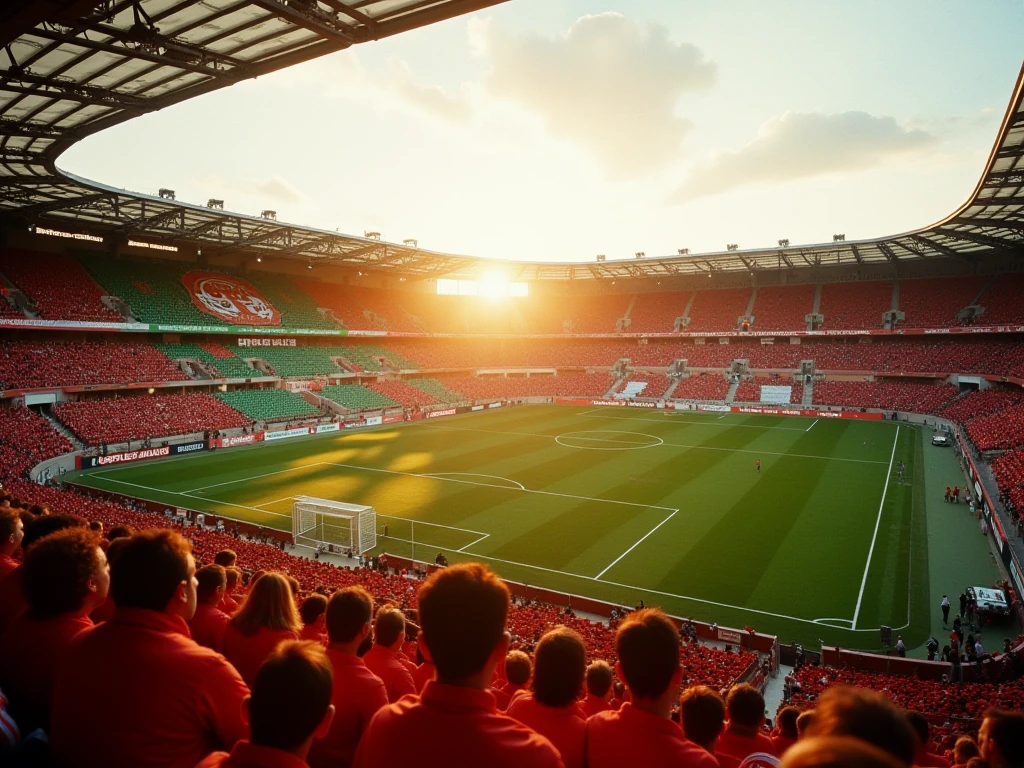
At the stadium of FC Augsburg, also known as the WWK Arena, the heart of the Fuggerstädter beats vibrantly. Every home game is not only a football match but a celebration of community, marked by a plethora of rituals and traditions celebrated by loyal supporters. The atmosphere begins long before kick-off, as fans flock to the stadium, often accompanied by singing and the sounds of drums.
One of the most notable traditions is the collective singing of club songs. Particularly, the song "Viva la Fuggers" is frequently sung, and fans come together to express their love for the club. These moments of unity create an unparalleled connection between the supporters and the team, allowing players on the field to feel the support.
The rivalry with 1860 Munich, one of the oldest derby opponents, heightens the emotions and passion in the air. On days when the two teams meet, the stadium is filled to capacity. Supporters from both camps bring their own colors and chants, resulting in an electrifying atmosphere that drives players to perform at their best.
Another ritual that fans uphold is the "fan fest" before the game. Here, supporters gather to celebrate together outside the stadium. There are often food stalls featuring local specialties, beer, and music, all contributing to the anticipation of the match. These gatherings not only strengthen the community among fans but also allow new supporters to integrate into the existing fan base.
The team’s entrance is another highlight in the stadium. When the players step onto the field, the stadium erupts with deafening applause and chants. Fans wave their scarves. This ritual is not only key for the players but also for the fans, who feel like they are part of the team.
After the match, regardless of a win or loss, fans often gather outside the stadium to exchange thoughts and share experiences. This tradition of post-match discussion fosters a sense of togetherness and creates a familial atmosphere that defines the entire football experience in Augsburg. It is this blend of rituals, community, and passion that makes the fan culture of the Fuggerstädter so special.
In the coming years, it will be exciting to see how these traditions evolve and whether they remain relevant in the ever-changing world of football. One thing is certain: the fans of FC Augsburg will continue to uphold their rituals and support their team with the same passion that has characterized them for generations.