Introduction
In recent weeks, FC Augsburg has experienced a mixed phase, with the defense often in the spotlight for criticism. Despite some solid performances, concerns about the backline remain, especially against offensively strong opponents. In this article, we take a look at the current defensive tactics and suggest some adjustments to enhance stability and minimize errors.
Current Defensive Formation
Augsburg frequently plays in a compact 4-2-3-1 formation, which theoretically is well-suited for controlling possession and enabling quick counter-attacks. However, in practical execution, some weaknesses have emerged. The center-backs have struggled in recent matches to close down spaces and intercept quick attacks from opponents. The full-backs tend to advance too high, making the defense vulnerable to counter-attacks.
Analysis of Weaknesses
A key issue is the communication between the defenders and the defensive midfielders. Often, clear instructions are lacking, leading to misunderstandings and opening up spaces that opposing strikers exploit mercilessly. Additionally, the pressing line is not consistently maintained, meaning the opponent has too much time and space to build their attacks.
Suggestions for Improvement
1. Increase Defensive Compactness
One of the simplest yet most effective adjustments could be to reduce the distances between the defenders and the defensive midfielders. A tighter block would enable players to respond better to the opponent's attacks and close passing lanes.
2. Flexibility of Full-Backs
Full-backs should be able to adjust their positions more quickly, depending on the game situation. When the team is in possession, they can push forward, but defensively, they should fall back and ensure they are not overloaded. Better timing in retreating could minimize defensive vulnerability.
3. Communication and Coordination
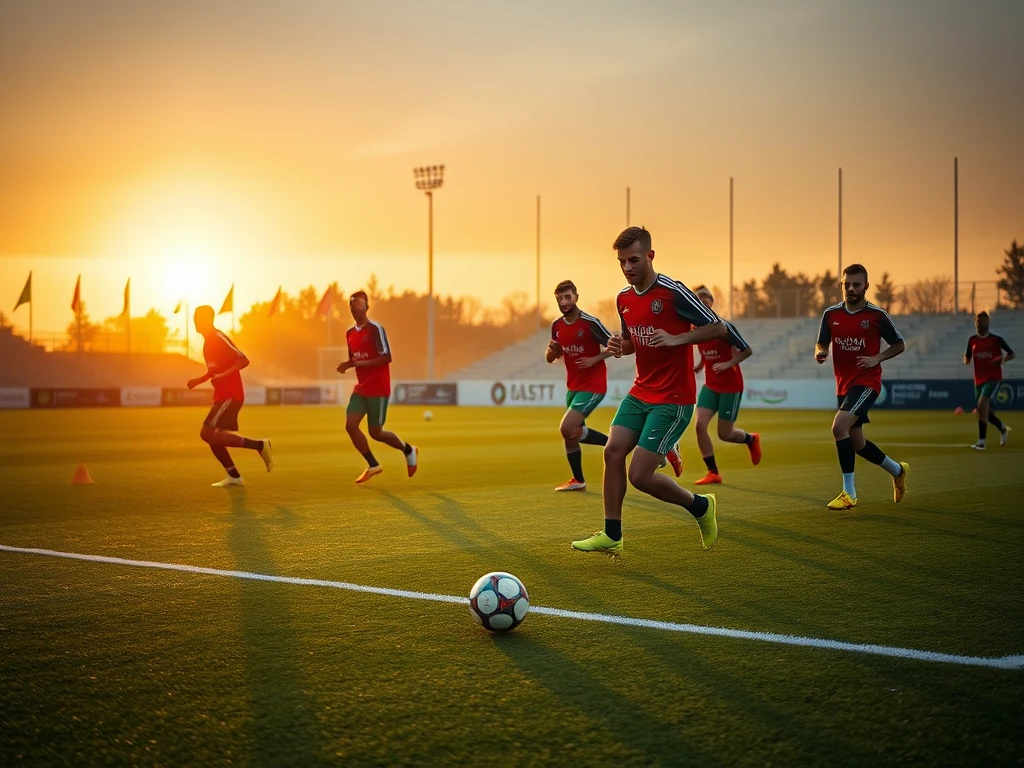
To improve communication, special training sessions could be introduced that focus on defensive organization. Drills that force players to communicate with each other and continuously adjust their positions could significantly enhance coordination.
Conclusion
Augsburg has the potential to build a solid defense, but it requires some strategic adjustments. By improving compactness, enhancing the flexibility of full-backs, and fostering better communication, the team could present a significantly more stable front in the second half of the season and reduce their error rate. The Fuggerstädter should prioritize these tactical tweaks in upcoming training sessions to elevate their on-field performances.