
FC Augsburg isn’t just called by its full name in everyday language. The Fuggerstadt side goes by several nicknames rooted in local history and club identity. Currently ninth in the Bundesliga with 43 points from 34 games, the team battles on the pitch while off it, its many monikers tell stories of its own.
The best-known aliases are Fuggerstädter and Schwabenadler. Fuggerstädter ties directly to the city: Augsburg was once home to the Fugger dynasty, Europe’s richest merchant family in the 16th century. The club leans into that heritage to highlight its deep local roots. Schwabenadler meanwhile points to the region-Swabia-famous for its dialect and independent streak. Both nicknames are used affectionately by fans and reflect the club’s close bond with the city.
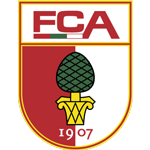
The club crest shows two eagles-one gold, one black. The gold eagle stands for Augsburg’s past as a Free Imperial City, while the black eagle represents Bavaria. That duality captures the club’s unique place: Bavarian yet with a distinct Swabian flavor. Fans weave these nicknames into chants and displays, embedding them in the club’s culture. Local media often echo the terms when covering the team.
FC Augsburg doesn’t pick a favorite. All aliases are accepted as part of the club’s story. With 45 goals scored and 61 conceded after 34 games, the side sits mid-table, yet the emotional pull of the nicknames shows the club is more than just a football team. Management uses them in marketing and player introductions-new recruits from the region are welcomed as official Fuggerstädter.
For supporters, the nicknames are threads in the club’s fabric. In the Fuggerstadt-Augsburg’s historic nickname-they’re symbols of unity. Ultras and fan clubs deploy them to voice loyalty. Another common term, Die Lila-Weißen (The Purple-Whites), refers to the club’s colors and is often used by neutral observers. But for die-hard fans, the regional and historical ties matter most.
Sporting near the bottom with 46 points behind leaders Bayern Munich, the team still has work to do. Yet the Fuggerstädter’s vibrant nickname culture keeps the club’s identity alive and distinct in the Bundesliga.